Visualizzazione post con etichetta Poeti Stranieri. Mostra tutti i post

giovedì 15 giugno 2017

La Aurora


La aurora de Nueva York tiene
cuatro columnas de cieno
y un huracán de negras palomas
que chapotean las aguas podridas.


La aurora de Nueva York gime
por las inmensas escaleras
buscando entre las aristas
nardos de angustia dibujada.


La aurora llega y nadie la recibe en su boca 

porque allí no hay mañana ni esperanza posible.
A veces las monedas en enjambres furiosos
taladran y devoran abandonados niños.


Los primeros que salen comprenden con sus huesos
que no habrá paraíso ni amores deshojados;
saben que van al cieno de números y leyes,
a los juegos sin arte, a sudores sin fruto.


La luz es sepultada por cadenas y ruidos
en impúdico reto de ciencia sin raíces.
Por los barrios hay gentes que vacilan insomnes
como recién salidas de un naufragio de sangre.


- Federico García Lorca -


L'aurora di New York ha
quattro colonne di fango
e un uragano di nere colombe
che guazzano nelle acque putride.

L'aurora di New York geme
per le immense scale
cercando nei cantoni
balsami di angoscia disegnata.

L'aurora arriva e nessuno l'accoglie nella sua bocca
perché non c'è domani né speranza possibile.
A volte il denaro in sciami furiosi
trapassa e divora bambini abbandonati.

I primi che escono sentono sulle loro ossa
che non vi sarà paradiso né amori sfogliati;
sanno che vanno a un fango di numeri e di leggi,
a giuochi senz'arte, a sudori senza frutto.

La luce è sepolta da catene e rumori
in un'impudica sfida di scienza senza radici.
Nei sobborghi c'è gente che vacilla insonne
come appena uscita da un naufragio di sangue.


venerdì 21 ottobre 2016

Ser y estar

Oh marine
oh boy
una de tus dificultades consiste en que no sabes
distinguir el ser del estar
para ti todo es to be
así que probemos a aclarar las cosas

por ejemplo
una mujer es buena
cuando entona desafinadamente los salmos
y cada dos años cambia el refrigerador
y envía mensualmente su perro al analista
y sólo enfrenta el sexo los sábados de noche

en cambio una mujer está buena
cuando la miras y pones los perplejos ojos en blanco
y la imaginas y la imaginas y la imaginas
y hasta crees que tomando un martini te vendrá el coraje
pero ni así

por ejemplo
un hombre es listo
cuando obtiene millones por teléfono
y evade la conciencia y los impuestos
y abre una buena póliza de seguros
a cobrar cuando llegue a sus setenta
y sea el momento de viajar en excursión a capri y a parís
y consiga violar a la gioconda en pleno louvre
con la vertiginosa polaroid

en cambio
un hombre está listo
cuando ustedes
oh marine
oh boy
aparecen en el horizonte
para inyectarle democracia.


- Mario Benedetti -


sabato 9 maggio 2015

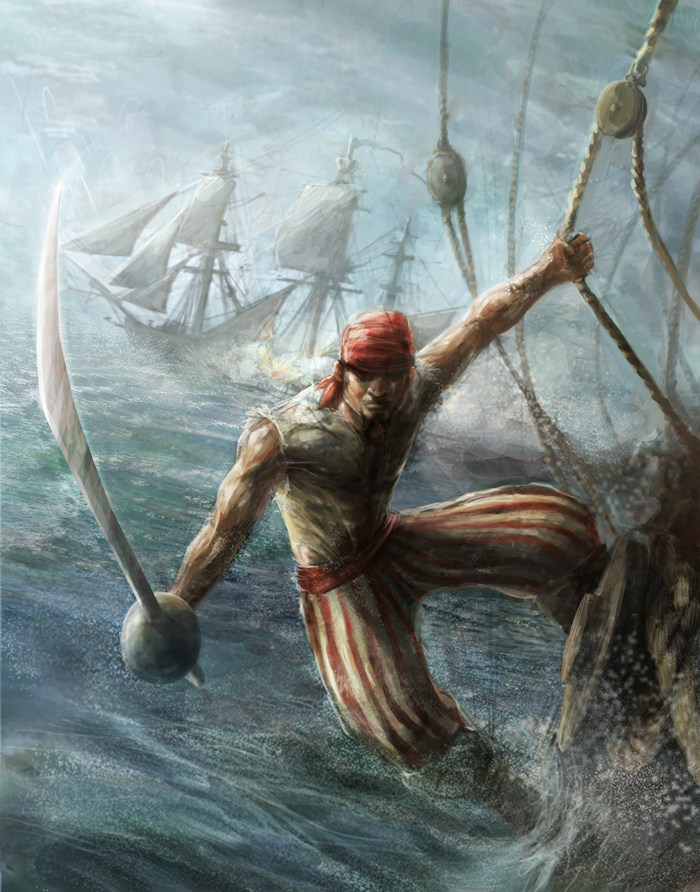
Canción del pirata

Con diez cañones por banda,
viento en popa, a toda vela,
no corta el mar, sino vuela
un velero bergantín.

Bajel pirata que llaman,
por su bravura, el Temido,
en todo mar conocido
del uno al otro confín. 

La luna en el mar rïela,
en la lona gime el viento,
y alza en blando movimiento
olas de plata y azul;


y va el capitán pirata,
cantando alegre en la popa,
Asia a un lado, al otro Europa,
y allá a su frente Stambul: 


Navega, velero mío,
sin temor,
que ni enemigo navío
ni tormenta, ni bonanza
tu rumbo a torcer alcanza,
ni a sujetar tu valor. 


Veinte presas
hemos hecho
a despecho
del inglés,
y han rendido
sus pendones
cien naciones
a mis pies. 


Que es mi barco mi tesoro,
que es mi dios la libertad,
mi ley, la fuerza y el viento, 
mi única patria, la mar.

 Allá muevan feroz guerra
ciegos reyes
por un palmo más de tierra;
que yo aquí tengo por mío
cuanto abarca el mar bravío,
a quien nadie impuso leyes. 


Y no hay playa,
sea cualquiera,
ni bandera
de esplendor,
que no sienta
mi derecho
y dé pecho
a mi valor. 


Que es mi barco mi tesoro,
que es mi dios la libertad,
mi ley, la fuerza y el viento,
mi única patria, la mar.


A la voz de «¡barco viene!»
es de ver
cómo vira y se previene
a todo trapo a escapar;
que yo soy el rey del mar,
y mi furia es de temer. 


En las presas
yo divido
lo cogido
por igual;
sólo quiero
por riqueza
la belleza
sin rival. 

  
Que es mi barco mi tesoro,
que es mi dios la libertad,
mi ley, la fuerza y el viento, 
mi única patria, la mar.

¡Sentenciado estoy a muerte!
Yo me río;
no me abandone la suerte,
y al mismo que me condena,
colgaré de alguna entena,
quizá en su propio navío. 


Y si caigo,
¿qué es la vida?
Por perdida
ya la di,
cuando el yugo
del esclavo,
como un bravo,
sacudí. 


Que es mi barco mi tesoro,
que es mi dios la libertad,
mi ley, la fuerza y el viento,
mi única patria, la mar.

 
Son mi música mejor
aquilones,
el estrépito y temblor
de los cables sacudidos,
del negro mar los bramidos
y el rugir de mis cañones. 


Y del trueno
al son violento,
y del viento
al rebramar,
yo me duermo
sosegado,
arrullado
por el mar. 


Que es mi barco mi tesoro,
que es mi dios la libertad,
mi ley, la fuerza y el viento,
mi única patria, la mar.


- José de Espronceda -


Con dieci cannoni per lato
vento in poppa a vele spiegate
non solca il mare, ma vola
un veliero brigantino


Battello pirata che chiamano
per il suo valore Il temuto
conosciuto in tutti i mari
da un confine all’altro.

La luna si riflette sul mare
sulla vela geme il vento
ed alza un leggero movimento
onde d’argento e d’azzurro


E vede il capitano pirata
cantando allegro a poppa
l’Asia da una parte, dall’altra l’Europa
e là di fronte Istanbul.

Naviga, mio veliero,
senza timore che né nave nemica
né tempesta, né bonaccia
possano cambiare la tua rotta
né fermare il tuo coraggio.

Venti prede abbiamo fatto
A dispetto degli inglesi
E cento nazioni hanno ammainato
le loro bandiere ai miei piedi.

La mia nave è il mio tesoro
Il mio Dio è la mia libertà
la mia legge, la forza e il vento
La mia unica patria, il mare.


Laggiù è scoppiata una guerra feroce
Re ciechi, per una piccola parte di terra
Mentre io tengo per me
quanto il mare selvaggio abbraccia
Qui nessuno impose leggi.

E non c’è lido, qualunque sia
né bandiera di valore
che non mi riconosca il mio diritto
e che non tributi il mio coraggio.

La mia nave è il mio tesoro
Il mio Dio è la mia libertà
la mia legge, la forza e il vento
La mia unica patria, il mare.

Al grido “barca in vista”
è da vedere come vira e si preoccupa
a tutta forza cerca di fuggire
perchè io sono il re del mare
E la mia furia è da temere.

I bottini io li divido
li consegno in parti eguali
l’unica cosa che voglio come ricchezza
è la bellezza senza rivali.


La mia nave è il mio tesoro
Il mio Dio è la mia libertà
la mia legge, la forza e il vento 
La mia unica patria, il mare.


Sono condannato a morte
Io ne rido, non mi arrendo alla sorte
e coloro che mi hanno condannato
li appenderò sull’albero maestro
forse sulla loro stessa nave.


E se morissi, cosa sarebbe la vita?
Per perduta già la detti
quando il giogo della schiavitù
coraggiosamente feci crollare.

La mia nave è il mio tesoro
Il mio Dio è la mia libertà
la mia legge, la forza e il vento 
La mia unica patria, il mare.

Sono la mia musica preferita
I venti, il fracasso e il tremore
dei cavi scossi
dal mare nero, le urla
e il ruggire dei miei cannoni.

Ed al suono violento del tuono
e all’urlo del vento
io mi addormento tranquillo
cullato dal mare.

La mia nave è il mio tesoro
Il mio Dio è la mia libertà
la mia legge, la forza e il vento 
La mia unica patria, il mare.

mercoledì 24 dicembre 2014

Mañanicas floridas


Mañanicas floridas
del frío invierno,
recordad a mi Niño
que duerme al hielo.

Mañanicas dichosas
del frío diciembre,
aunque el cielo os siembre
de flores y rosas,
pues sois rigurosas
y Dios es tierno,
recordad a mi Niño
que duerme al hielo.

- Lope de Vega -

sabato 18 ottobre 2014

Contar un cuento


Es el país de Irás y No Volverás
donde los relojes marcan el invierno en punto
y sólo en tu memoria habría primavera
si tuvieras tiempo de recordar
Pero sólo hay tiempo para buscar a la reina blanca

Aquí se congela el corazón y no puede romperse
Aquí se congelan las fuentes del llanto
Aquí se congelan las palabras que designan cosas de colores
y sólo sobrevive la palabra de su nombre
Pero tú no sabes cómo se llama la reina blanca

Se sabe poco de la reina blanca:
que habita un silencio sin ventanas

que habita el castillo de Salsipuedes
que habita el lugar del frío

Se sabe poco de la reina:
que es completamente blanca
que ni pensando todas las rosas juntas
se podría armar un arrebol en sus mejillas
y que ni con todas las alas de todos los pájaros
se podría emigrar de su invierno en punto

Se sabe poco de ella
Pero no necesitas más para buscarla
ni necesitas más para no encontrarla 

y avanzar alejándote de ella para siempre
y descubriendo que ya no dejas huellas sobre la nieve
y descubriendo cómo pierdes toda prueba de la vida.


 - Ulalume González de León -


RACCONTARE UNA FAVOLA


È il paese di Andrai e Non Ritornerai
dove gli orologi segnano l’inverno in punto
e solo nella tua memoria sarà primavera
se avrai tempo di ricordare
Ma hai soltanto il tempo di cercare la regina bianca


Qui si congela il cuore e non può rompersi
Qui si congelano le fonti del pianto
Qui si congelano le parole che designano i colori


e solo sopravvive la parola del suo nome
Ma tu non sai come si chiama la regina bianca


Si sa poco della regina bianca:
che abita un silenzio senza finestre
che abita il castello di Escisepuoi

che abita la casa del freddo

Si sa poco della regina:
che è completamente bianca
che neppure pensando tutte le rose insieme
si potrebbe far nascere un rossore sulle sue guance
e che neppure con tutte le ali di tutti gli uccelli
si potrebbe migrare dal suo inverno in punto


Si sa poco di lei
Ma non c’è più bisogno di cercarla
né serve altro per incontrarla
e allontanarti da lei per sempre
se scopri che non lasci impronte sulla neve
se scopri come perdi ogni prova della vita.

giovedì 10 luglio 2014

A Roosevelt


¡Es con voz de la Biblia, o verso de Walt Whitman,
que habría que llegar hasta ti, Cazador!
Primitivo y moderno, sencillo y complicado,
con un algo de Washington y cuatro de Nemrod.
Eres los Estados Unidos,
eres el futuro invasor
de la América ingenua que tiene sangre indígena,
que aún reza a Jesucristo y aún habla en español. 


Eres soberbio y fuerte ejemplar de tu raza;
eres culto, eres hábil; te opones a Tolstoy.
Y domando caballos, o asesinando tigres,
eres un Alejandro-Nabucodonosor.
(Eres un profesor de energía,
como dicen los locos de hoy.)
Crees que la vida es incendio,
que el progreso es erupción;
en donde pones la bala
el porvenir pones.
No. 


Los Estados Unidos son potentes y grandes.
Cuando ellos se estremecen hay un hondo temblor
que pasa por las vértebras enormes de los Andes.
Si clamáis, se oye como el rugir del león.
Ya Hugo a Grant le dijo: «Las estrellas son vuestras».
(Apenas brilla, alzándose, el argentino sol
y la estrella chilena se levanta...) Sois ricos.
Juntáis al culto de Hércules el culto de Mammón;
y alumbrando el camino de la fácil conquista,
la Libertad levanta su antorcha en Nueva York.


Mas la América nuestra, que tenía poetas
desde los viejos tiempos de Netzahualcoyotl,
que ha guardado las huellas de los pies del gran Baco,
que el alfabeto pánico en un tiempo aprendió;
que consultó los astros, que conoció la Atlántida,
cuyo nombre nos llega resonando en Platón,
que desde los remotos momentos de su vida
vive de luz, de fuego, de perfume, de amor,
la América del gran Moctezuma, del Inca,
la América fragante de Cristóbal Colón,
la América católica, la América española,
la América en que dijo el noble Guatemoc:
«Yo no estoy en un lecho de rosas»; esa América
que tiembla de huracanes y que vive de Amor,
hombres de ojos sajones y alma bárbara, vive.
Y sueña. Y ama, y vibra; y es la hija del Sol.
Tened cuidado. ¡Vive la América española!
Hay mil cachorros sueltos del León Español.
Se necesitaría, Roosevelt, ser Dios mismo,
el Riflero terrible y el fuerte Cazador,
para poder tenernos en vuestras férreas garras.

Y, pues contáis con todo, falta una cosa: ¡Dios!


- Rubén Darío -

sabato 28 giugno 2014

Cultivo una rosa blanca


Cultivo una rosa blanca
en junio como enero
para el amigo sincero
que me da su mano franca. 

Y para el cruel que me arranca
el corazón con que vivo,
cardo ni ortiga cultivo;
cultivo la rosa blanca. 


- José Martí -


Coltivo una rosa bianca,
a luglio (sic) come a gennaio,
per ogni amico sincero 
che mi porge la sua mano.

E per colui che mi strappa
il cuore col quale vivo,
né cardi né ortiche coltivo:
coltivo la rosa bianca.

- Trad. R. Paoli -

sabato 31 maggio 2014

Colui che dà la gioia


Sii come il fumo: sali,
pensa che nell'evadere
nessuno dirà «ti ebbi
e ho potuto misurarti».

Sii come il sonno: canta,
incanta l'essere addormentato.
Ci schiude la tua gola
il cuore in fiore.

Sii il vino che inebria
e per vizio piace;
non il sandalo che profuma
l'ascia che lo recide.

Anima che brilla e continua
a risuonare nell'uomo.
Ma che nessuno possa
indovinare il suo nome.

- José Hierro -

(da Alegría, 1947 – Traduzione di Oreste Macrì)

sabato 26 aprile 2014

Recordar es fácil para quien tiene memoria, olvidar es difícil para quien tiene corazón.

Ricordare è facile per chi ha memoria, dimenticare è difficile per chi ha cuore.

- Gabriel García Márquez -

lunedì 17 febbraio 2014

Invictus

Out of the night that covers me,
Black as the pit from pole to pole,
I thank whatever god may be
For my unconquerable soul.


In the fell clutch of circumstance
I have not winced not cried aloud.
Under the bludgeonings of chance
My head is bloody, but unbowed.


Beyond this place of wrath and tears
Looms but the Horror of the shade,
And yet the menace of the years
Finds and shall find me unafraid.


It matters not how strait the gate,
How charged with punishments the scroll,
I am the master of my fate;
I am the captain of my soul.


- William Ernest Henley -


Dal profondo della notte che mi avvolge,
nera come un pozzo che va da un polo all' altro,
Ringrazio qualunque Dio esista
Per la mia anima invincibile.


Nella feroce morsa della circostanza
Non ho trasalito, non ho gridato a voce alta.
Sotto i colpi d’ascia della sorte
Il mio capo è sanguinante, ma non chino.


Al di là di questo luogo di collera e lacrime
Incombe il solo Orrore delle ombre
Eppure la minaccia degli anni
Mi trova e mi troverà senza paura.


Non importa quanto stretta sia la porta,
Quanto carica di castighi la vita,
Io sono il padrone del mio destino;
Io sono il capitano della mia anima.


- William Ernest Henley -

domenica 9 febbraio 2014

Acheo contemporaneo


Meglio aver vissuto ai tempi di Troia.
Potevo fare allora qualcosa di più, chissà,
invece di questa paralisi e incertezza
e questa paura ogni giorno, queste traversie
nell'ultima metà del ventesimo secolo.

Forse allora con una cetra, traversando di corsa
su e giù l'accampamento, avrei cantato
carmi epici, per infondere coraggio ai Greci,
forse avrei potuto dar consigli ad Achille,
far finire prima la guerra e certo
con esempi più nobili e generosi,
senza cavalli di legno, senza gli inganni
degradanti per gli eroi e soprattutto senza
quell'incendio e quella spada
che annientarono Ilio. Allora forse
non sarebbero periti Ettore e altri numerosi,
belli come i Greci.
                           Forse
poi avrebbe preso anche me Ulisse,
uno in più tra i suoi compagni,
per dieci anni o anche oltre, – che importa?
una mia Itaca io non l'avevo – e forse gli dèi
non adirati, ma benevoli ci avrebbero
mantenuto propizio il tempo per la nave.

Meglio aver vissuto ai tempi di Troia,
e non ora, quando fuggendo lontano dalla patria
(ma Troia non è caduta, le nostre bandiere
ormai lacere, ed Elena
abbandonata alle nostre spalle) vado errando
da trent'anni, di qua e di là nei paesi degli amici,
senza Itaca, senza fede, senza compagni.


- Nikifòros Vrattàkos -

venerdì 23 dicembre 2011

 
Se io potrò impedire ad un cuore di spezzarsi 
non avrò vissuto invano,
se allevierò il dolore di una vita o allevierò una pena 
o aiuterò un pettirosso caduto a rientrare nel nido
...non avrò vissuto invano.
 
- Emily Dickinson -


lunedì 24 ottobre 2011

Elegy Written in a Country Churchyard


The curfew tolls the knell of parting day,
The lowing herd winds slowly o'er the lea,
The ploughman homeward plods his weary way,
And leaves the world to darkness and to me.

Now fades the glimmering landscape on the sight,

And all the air a solemn stillness holds,
Save where the beetle wheels his droning flight,
And drowsy tinklings lull the distant folds:

Save that from yonder ivy-mantled tower

The moping owl does to the moon complain
Of such as, wandering near her secret bower,
Molest her ancient solitary reign.

Beneath those rugged elms, that yew-tree's shade,

Where heaves the turf in many a mouldering heap,
Each in his narrow cell for ever laid,
The rude Forefathers of the hamlet sleep.

The breezy call of incense-breathing morn,

The swallow twittering from the straw-built shed,
The cock's shrill clarion, or the echoing horn,
No more shall rouse them from their lowly bed.

For them no more the blazing hearth shall burn,

Or busy housewife ply her evening care:
No children run to lisp their sire's return,
Or climb his knees the envied kiss to share,

Oft did the harvest to their sickle yield,

Their furrow oft the stubborn glebe has broke;
How jocund did they drive their team afield!
How bow'd the woods beneath their sturdy stroke!

Let not Ambition mock their useful toil,

Their homely joys, and destiny obscure;
Nor Grandeur hear with a disdainful smile
The short and simple annals of the Poor.

The boast of heraldry, the pomp of power,

And all that beauty, all that wealth e'er gave,
Awaits alike th' inevitable hour:-
The paths of glory lead but to the grave.

Nor you, ye Proud, impute to these the fault

If Memory o'er their tomb no trophies raise,
Where through the long-drawn aisle and fretted vault
The pealing anthem swells the note of praise.

Can storied urn or animated bust

Back to its mansion call the fleeting breath?
Can Honour's voice provoke the silent dust,
Or Flattery soothe the dull cold ear of Death?

Perhaps in this neglected spot is laid

Some heart once pregnant with celestial fire;
Hands, that the rod of empire might have sway'd,
Or waked to ecstasy the living lyre:

But Knowledge to their eyes her ample page,

Rich with the spoils of time, did ne'er unroll;
Chill Penury repress'd their noble rage,
And froze the genial current of the soul.

Full many a gem of purest ray serene

The dark unfathom'd caves of ocean bear:
Full many a flower is born to blush unseen,
And waste its sweetness on the desert air.

Some village-Hampden, that with dauntless breast

The little tyrant of his fields withstood,
Some mute inglorious Milton here may rest,
Some Cromwell, guiltless of his country's blood.

Th' applause of list'ning senates to command,

The threats of pain and ruin to despise,
To scatter plenty o'er a smiling land,
And read their history in a nation's eyes,

Their lot forbad: nor circumscribed alone

Their growing virtues, but their crimes confined;
Forbad to wade through slaughter to a throne,
And shut the gates of mercy on mankind,

The struggling pangs of conscious truth to hide,

To quench the blushes of ingenuous shame,
Or heap the shrine of Luxury and Pride
With incense kindled at the Muse's flame.

Far from the madding crowd's ignoble strife,

Their sober wishes never learn'd to stray;
Along the cool sequester'd vale of life
They kept the noiseless tenour of their way.

Yet e'en these bones from insult to protect

Some frail memorial still erected nigh,
With uncouth rhymes and shapeless sculpture deck'd,
Implores the passing tribute of a sigh.

Their name, their years, spelt by th' unletter'd Muse,

The place of fame and elegy supply:
And many a holy text around she strews,
That teach the rustic moralist to die.

For who, to dumb forgetfulness a prey,

This pleasing anxious being e'er resign'd,
Left the warm precincts of the cheerful day,
Nor cast one longing lingering look behind?

On some fond breast the parting soul relies,

Some pious drops the closing eye requires;
E'en from the tomb the voice of Nature cries,
E'en in our ashes live their wonted fires.

For thee, who, mindful of th' unhonour'd dead,

Dost in these lines their artless tale relate;
If chance, by lonely contemplation led,
Some kindred spirit shall inquire thy fate, --

Haply some hoary-headed swain may say,

Oft have we seen him at the peep of dawn
Brushing with hasty steps the dews away,
To meet the sun upon the upland lawn;

'There at the foot of yonder nodding beech

That wreathes its old fantastic roots so high.
His listless length at noontide would he stretch,
And pore upon the brook that babbles by.

'Hard by yon wood, now smiling as in scorn,

Muttering his wayward fancies he would rove;
Now drooping, woeful wan, like one forlorn,
Or crazed with care, or cross'd in hopeless love.

'One morn I miss'd him on the custom'd hill,

Along the heath, and near his favourite tree;
Another came; nor yet beside the rill,
Nor up the lawn, nor at the wood was he;

'The next with dirges due in sad array

Slow through the church-way path we saw him borne,-
Approach and read (for thou canst read) the lay
Graved on the stone beneath yon aged thorn.'
 

The Epitaph

Here rests his head upon the lap of Earth
A youth to Fortune and to Fame unknown.
Fair Science frowned not on his humble birth,
And Melacholy marked him for her own.

Large was his bounty, and his soul sincere,
Heaven did a recompense as largely send:
He gave to Misery all he had, a tear,
He gained from Heaven ('twas all he wish'd) a friend.

No farther seek his merits to disclose,
Or draw his frailties from their dread abode
(There they alike in trembling hope repose),
The bosom of his Father and his God.

- Thomas Gray -

giovedì 29 settembre 2011


Mi piace sviluppare la mia coscienza per capire perché sono vivo, cos'è il mio corpo e cosa devo fare per cooperare con i disegni dell'universo.
Non mi piace la gente che accumula informazioni inutili e si crea false forme di condotta, plagiata da personalità importanti.
Mi piace rispettare gli altri, non per via delle deviazioni narcisistiche della loro personalità, ma per come si sono evolute interiormente.
Non mi piace la gente la cui mente non sa riposare in silenzio, il cui cuore critica gli altri senza sosta, la cui sessualità vive insoddisfatta, il cui corpo s'intossica senza saper apprezzare di essere vivo.
Ogni secondo di vita è un regalo sublime.
Mi piace invecchiare perché il tempo dissolve il superfluo e conserva l'essenziale.
Non mi piace la gente che per retaggi infantili trasforma le bugie in superstizioni.
Non mi piace che ci sia un papa che predica senza condividere la sua anima con una "papessa".
Non mi piace che la religione sia nelle mani di uomini che disprezzano le donne.
Mi piace collaborare e non competere.
Mi piace scoprire in ogni essere quella gioia eterna che potremmo chiamare Dio interiore.
Non mi piace l'arte che serve solo a celebrare il suo esecutore.
Mi piace l'arte che serve per guarire.
Non mi piacciono le persone troppo stupide.
Mi piace tutto ciò che provoca il riso.
Mi piace affrontare, volontariamente, la mia sofferenza, con l'obiettivo di espandere la mia coscienza.

- Alejandro Jodorowsky -

sabato 24 settembre 2011

Telephone Conversation


The price seemed reasonable, location
Indifferent. The landlady swore she lived
Off premises. Nothing remained
But self-confession. "Madam," I warned,
"I hate a wasted journey—I am African."
Silence. Silenced transmission of
Pressurized good-breeding. Voice, when it came,
Lipstick coated, long gold rolled
Cigarette-holder pipped. Caught I was foully.
"HOW DARK?" . . . I had not misheard . . . "ARE YOU LIGHT
OR VERY DARK?" Button B, Button A.* Stench
Of rancid breath of public hide-and-speak.
Red booth. Red pillar box. Red double-tiered
Omnibus squelching tar. It was real! Shamed
By ill-mannered silence, surrender
Pushed dumbfounded to beg simplification.
Considerate she was, varying the emphasis--
"ARE YOU DARK? OR VERY LIGHT?" Revelation came.
"You mean--like plain or milk chocolate?"
Her assent was clinical, crushing in its light
Impersonality. Rapidly, wave-length adjusted,
I chose. "West African sepia"--and as afterthought,
"Down in my passport." Silence for spectroscopic
Flight of fancy, till truthfulness clanged her accent
Hard on the mouthpiece. "WHAT'S THAT?" conceding
"DON'T KNOW WHAT THAT IS." "Like brunette."
"THAT'S DARK, ISN'T IT?" "Not altogether.
Facially, I am brunette, but, madam, you should see
The rest of me. Palm of my hand, soles of my feet
Are a peroxide blond. Friction, caused--
Foolishly, madam--by sitting down, has turned
My bottom raven black--One moment, madam!"--sensing
Her receiver rearing on the thunderclap
About my ears--"Madam," I pleaded, "wouldn't you rather
See for yourself?"


- Wole Soyinka -


Conversazione telefonica

Il prezzo sembrava ragionevole, il luogo
indifferente. L'affittuaria aveva giurato di vivere
fuori sede. Non rimaneva nulla
se non la confessione. "Signora" avvisai,
"detesto buttar via tempo in viaggi inutili - sono africano."
Silenzio. Trasmissione zittita di
buone maniere pressurizzate. La voce, quando venne,
spalmata di rossetto, pigolio di lungo
bocchino dorato. Ero stato beccato, che imbecille.
"QUANTO SCURO?"... Non avevo sentito male... "LEI È CHIARO
O MOLTO SCURO?" Bottone B. Bottone A. Tanfo
di respiro rancido di pubblico nascondino telefonico.
Cabina rossa. Cassetta rossa. Autobus rosso
a due piani che schiaccia l'asfalto. Era vero! Svergognata
dal silenzio scortese, la resa
spinse lo stupore a pregare semplificazione.
Lei era piena di riguardo, variando l'enfasi -
"LEI È SCURO? O MOLTO CHIARO?"
Venne la rivelazione.
"Lei intende - come cioccolato semplice o al latte?"
Il suo assenso era clinico, schiacciante nella propria leggera
impersonalità. Rapidamente, regolatomi a quella lunghezza d'onda,
scelsi. "Seppia Africano occidentale" e come pensiero aggiunto,
"Come dice il mio passaporto." Silenzio per spettroscopico
volo di fantasia, fino che la sincerità fece risuonare il suo duro
accento sulla cornetta. "COS'E'?" concedendo
"NON HO IDEA DI COSA SIA." "Tipo castano."
"È SCURO, GIUSTO?" "Non del tutto.
Di faccia, sono castano, ma signora, dovrebbe vedere
il resto di me. Il palmo della mia mano, le piante dei miei piedi
sono di un biondo ossigenato. Lo sfregamento, dovuto -
che stupido pazzo - allo starmene seduto, ha reso
il mio sedere nero corvino - un momento, signora!"- percependo
il suo ricevitore rizzarsi in un fragore di tuono
fin nelle orecchie: "Signora," supplicai, "non vorrebbe piuttosto
controllare di persona?"


venerdì 23 settembre 2011

The Waste Land


"Nam Sibyllam quidem Cumis ego ipse oculis meis
vidi in ampulla pendere, et cum illi pueri dicerent:
Sibylla ti theleis; respondebat illa: apothanein thelo."


I. THE BURIAL OF THE DEAD

April is the cruellest month, breeding
Lilacs out of the dead land, mixing
Memory and desire, stirring
Dull roots with spring rain.
Winter kept us warm, covering
Earth in forgetful snow, feeding
A little life with dried tubers.
Summer surprised us, coming over the Starnbergersee
With a shower of rain; we stopped in the colonnade,
And went on in sunlight, into the Hofgarten,                                                        
And drank coffee, and talked for an hour.
Bin gar keine Russin, stamm' aus Litauen, echt deutsch.
And when we were children, staying at the archduke's,
My cousin's, he took me out on a sled,
And I was frightened. He said, Marie,
Marie, hold on tight. And down we went.
In the mountains, there you feel free.
I read, much of the night, and go south in the winter.
 
What are the roots that clutch, what branches grow
Out of this stony rubbish? Son of man,                                           
You cannot say, or guess, for you know only
A heap of broken images, where the sun beats,
And the dead tree gives no shelter, the cricket no relief,
And the dry stone no sound of water. Only
There is shadow under this red rock,
(Come in under the shadow of this red rock),
And I will show you something different from either
Your shadow at morning striding behind you
Or your shadow at evening rising to meet you;
I will show you fear in a handful of dust.                                        
     Frisch weht der Wind
     Der Heimat zu
     Mein Irisch Kind,
     Wo weilest du?
"You gave me hyacinths first a year ago;
"They called me the hyacinth girl."
- Yet when we came back, late, from the Hyacinth garden,
Your arms full, and your hair wet, I could not
Speak, and my eyes failed, I was neither
Living nor dead, and I knew nothing,                                             
Looking into the heart of light, the silence.
Od' und leer das Meer.

Madame Sosostris, famous clairvoyante,
Had a bad cold, nevertheless
Is known to be the wisest woman in Europe,
With a wicked pack of cards. Here, said she,
Is your card, the drowned Phoenician Sailor,
(Those are pearls that were his eyes. Look!)
Here is Belladonna, the Lady of the Rocks,
The lady of situations.                                                                       
Here is the man with three staves, and here the Wheel,
And here is the one-eyed merchant, and this card,
Which is blank, is something he carries on his back,
Which I am forbidden to see. I do not find
The Hanged Man. Fear death by water.
I see crowds of people, walking round in a ring.
Thank you. If you see dear Mrs. Equitone,
Tell her I bring the horoscope myself:
One must be so careful these days.

Unreal City,                                                                                        
Under the brown fog of a winter dawn,
A crowd flowed over London Bridge, so many,
I had not thought death had undone so many.
Sighs, short and infrequent, were exhaled,
And each man fixed his eyes before his feet.
Flowed up the hill and down King William Street,
To where Saint Mary Woolnoth kept the hours
With a dead sound on the final stroke of nine.
There I saw one I knew, and stopped him, crying "Stetson!
"You who were with me in the ships at Mylae!                              
"That corpse you planted last year in your garden,
"Has it begun to sprout? Will it bloom this year?
"Or has the sudden frost disturbed its bed? 
"Oh keep the Dog far hence, that's friend to men,
"Or with his nails he'll dig it up again!
"You! hypocrite lecteur! - mon semblable, - mon frere!"

II. A GAME OF CHESS

The Chair she sat in, like a burnished throne,
Glowed on the marble, where the glass
Held up by standards wrought with fruited vines
From which a golden Cupidon peeped out                                       
(Another hid his eyes behind his wing)
Doubled the flames of sevenbranched candelabra
Reflecting light upon the table as
The glitter of her jewels rose to meet it,
From satin cases poured in rich profusion;
In vials of ivory and coloured glass
Unstoppered, lurked her strange synthetic perfumes,
Unguent, powdered, or liquid - troubled, confused
And drowned the sense in odours; stirred by the air
That freshened from the window, these ascended                          
In fattening the prolonged candle-flames,
Flung their smoke into the laquearia,
Stirring the pattern on the coffered ceiling.
Huge sea-wood fed with copper
Burned green and orange, framed by the coloured stone,
In which sad light a carved dolphin swam.
Above the antique mantel was displayed
As though a window gave upon the sylvan scene
The change of Philomel, by the barbarous king
So rudely forced; yet there the nightingale                                     
Filled all the desert with inviolable voice
And still she cried, and still the world pursues,
"Jug Jug" to dirty ears.
And other withered stumps of time
Were told upon the walls; staring forms
Leaned out, leaning, hushing the room enclosed.
Footsteps shuffled on the stair.
Under the firelight, under the brush, her hair
Spread out in fiery points
Glowed into words, then would be savagely still.                             

"My nerves are bad to-night. Yes, bad. Stay with me.
"Speak to me. Why do you never speak. Speak.
"What are you thinking of? What thinking? What?
"I never know what you are thinking. Think."

I think we are in rats' alley
Where the dead men lost their bones. 
 
"What is that noise?"
                             The wind under the door.
"What is that noise now? What is the wind doing?"
                             Nothing again nothing.                                          
                                                                  "Do
"You know nothing? Do you see nothing? Do you remember
"Nothing?"

   I remember
Those are pearls that were his eyes.
"Are you alive, or not? Is there nothing in your head?"
                                                                    But
O O O O that Shakespeherian Rag -
It's so elegant
So intelligent                                                                                        
"What shall I do now? What shall I do?"
I shall rush out as I am, and walk the street
"With my hair down, so. What shall we do to-morrow?
"What shall we ever do?"
                                     The hot water at ten.
And if it rains, a closed car at four.
And we shall play a game of chess,
Pressing lidless eyes and waiting for a knock upon the door.

When Lil's husband got demobbed, I said -
I didn't mince my words, I said to her myself,                                
HURRY UP PLEASE ITS TIME
Now Albert's coming back, make yourself a bit smart.
He'll want to know what you done with that money he gave you
To get yourself some teeth. He did, I was there.
You have them all out, Lil, and get a nice set,
He said, I swear, I can't bear to look at you.
And no more can't I, I said, and think of poor Albert,
He's been in the army four years, he wants a good time,
And if you don't give it him, there's others will, I said.
Oh is there, she said. Something o' that, I said.                                 
Then I'll know who to thank, she said, and give me a straight look.
HURRY UP PLEASE ITS TIME
If you don't like it you can get on with it, I said.
Others can pick and choose if you can't.
But if Albert makes off, it won't be for lack of telling.
You ought to be ashamed, I said, to look so antique.
(And her only thirty-one.)
I can't help it, she said, pulling a long face,
It's them pills I took, to bring it off, she said.
(She's had five already, and nearly died of young George.)              
The chemist said it would be alright, but I've never been the same.
You are a proper fool, I said.
Well, if Albert won't leave you alone, there it is, I said,
What you get married for if you don't want children?
HURRY UP PLEASE ITS TIME
Well, that Sunday Albert was home, they had a hot gammon,
And they asked me in to dinner, to get the beauty of it hot -
HURRY UP PLEASE ITS TIME
Goonight Bill. Goonight Lou. Goonight May. Goonight.                    
Ta ta. Goonight. Goonight.
Good night, ladies, good night, sweet ladies, good night, good night.
 
III. THE FIRE SERMON

The river's tent is broken: the last fingers of leaf
Clutch and sink into the wet bank. The wind
Crosses the brown land, unheard. The nymphs are departed.
Sweet Thames, run softly, till I end my song.
The river bears no empty bottles, sandwich papers,
Silk handkerchiefs, cardboard boxes, cigarette ends
Or other testimony of summer nights. The nymphs are departed.
And their friends, the loitering heirs of city directors;                        
Departed, have left no addresses.
By the waters of Leman I sat down and wept . . .
Sweet Thames, run softly till I end my song,
Sweet Thames, run softly, for I speak not loud or long.
But at my back in a cold blast I hear
The rattle of the bones, and chuckle spread from ear to ear.
A rat crept softly through the vegetation
Dragging its slimy belly on the bank
While I was fishing in the dull canal
On a winter evening round behind the gashouse                           
Musing upon the king my brother's wreck
And on the king my father's death before him.
White bodies naked on the low damp ground
And bones cast in a little low dry garret,
Rattled by the rat's foot only, year to year.
But at my back from time to time I hear
The sound of horns and motors, which shall bring
Sweeney to Mrs. Porter in the spring.
O the moon shone bright on Mrs. Porter
And on her daughter                                                     
They wash their feet in soda water
Et O ces voix d'enfants, chantant dans la coupole!

Twit twit twit
Jug jug jug jug jug jug
So rudely forc'd.
Tereu

Unreal City
Under the brown fog of a winter noon
Mr. Eugenides, the Smyrna merchant
Unshaven, with a pocket full of currants                                
C.i.f. London: documents at sight,
Asked me in demotic French
To luncheon at the Cannon Street Hotel
Followed by a weekend at the Metropole. 
 
At the violet hour, when the eyes and back
Turn upward from the desk, when the human engine waits
Like a taxi throbbing waiting,
I Tiresias, though blind, throbbing between two lives,
Old man with wrinkled female breasts, can see
At the violet hour, the evening hour that strives                       
Homeward, and brings the sailor home from sea,
The typist home at teatime, clears her breakfast, lights
Her stove, and lays out food in tins.
Out of the window perilously spread
Her drying combinations touched by the sun's last rays,
On the divan are piled (at night her bed)
Stockings, slippers, camisoles, and stays.
I Tiresias, old man with wrinkled dugs
Perceived the scene, and foretold the rest -
I too awaited the expected guest.                                       
He, the young man carbuncular, arrives,
A small house agent's clerk, with one bold stare,
One of the low on whom assurance sits
As a silk hat on a Bradford millionaire.
The time is now propitious, as he guesses,
The meal is ended, she is bored and tired,
Endeavours to engage her in caresses
Which still are unreproved, if undesired.
Flushed and decided, he assaults at once;
Exploring hands encounter no defence;                                   
His vanity requires no response,
And makes a welcome of indifference.
(And I Tiresias have foresuffered all
Enacted on this same divan or bed;
I who have sat by Thebes below the wall
And walked among the lowest of the dead.)
Bestows one final patronising kiss,
And gropes his way, finding the stairs unlit . . .

She turns and looks a moment in the glass,
Hardly aware of her departed lover;                                     
Her brain allows one half-formed thought to pass:
"Well now that's done: and I'm glad it's over."
When lovely woman stoops to folly and
Paces about her room again, alone,
She smoothes her hair with automatic hand,
And puts a record on the gramophone.

"This music crept by me upon the waters"
And along the Strand, up Queen Victoria Street.
O City city, I can sometimes hear
Beside a public bar in Lower Thames Street,                             
The pleasant whining of a mandoline
And a clatter and a chatter from within
Where fishmen lounge at noon: where the walls
Of Magnus Martyr hold
Inexplicable splendour of Ionian white and gold.
 
The river sweats
     Oil and tar
     The barges drift
     With the turning tide
     Red sails                                                          
     Wide
     To leeward, swing on the heavy spar.
     The barges wash
     Drifting logs
     Down Greenwich reach
     Past the Isle of Dogs.
          Weialala leia
          Wallala leialala

     Elizabeth and Leicester
     Beating oars                                                       
     The stern was formed
     A gilded shell
     Red and gold
     The brisk swell
     Rippled both shores
     Southwest wind
     Carried down stream
     The peal of bells
     White towers
          Weialala leia                                                 
          Wallala leialala

"Trams and dusty trees.
Highbury bore me. Richmond and Kew
Undid me. By Richmond I raised my knees
Supine on the floor of a narrow canoe."

"My feet are at Moorgate, and my heart
Under my feet. After the event
He wept. He promised 'a new start'.
I made no comment. What should I resent?"
"On Margate Sands.                                                      
I can connect
Nothing with nothing.
The broken fingernails of dirty hands.
My people humble people who expect
Nothing."
     la la

To Carthage then I came

Burning burning burning burning
O Lord Thou pluckest me out
O Lord Thou pluckest                                                    
 
burning

IV. DEATH BY WATER

Phlebas the Phoenician, a fortnight dead,
Forgot the cry of gulls, and the deep sea swell
And the profit and loss.
                                         A current under sea
Picked his bones in whispers. As he rose and fell
He passed the stages of his age and youth
Entering the whirlpool.
                                       Gentile or Jew
O you who turn the wheel and look to windward,                          
Consider Phlebas, who was once handsome and tall as you.

V. WHAT THE THUNDER SAID

After the torchlight red on sweaty faces
After the frosty silence in the gardens
After the agony in stony places
The shouting and the crying
Prison and palace and reverberation
Of thunder of spring over distant mountains
He who was living is now dead
We who were living are now dying
With a little patience                                                  

Here is no water but only rock
Rock and no water and the sandy road
The road winding above among the mountains
Which are mountains of rock without water
If there were water we should stop and drink
Amongst the rock one cannot stop or think
Sweat is dry and feet are in the sand
If there were only water amongst the rock
Dead mountain mouth of carious teeth that cannot spit
Here one can neither stand nor lie nor sit                              
There is not even silence in the mountains
But dry sterile thunder without rain
There is not even solitude in the mountains
But red sullen faces sneer and snarl
From doors of mudcracked houses
                             If there were water
And no rock
If there were rock
And also water
And water                                                               
A spring
A pool among the rock
If there were the sound of water only
Not the cicada
And dry grass singing
But sound of water over a rock
Where the hermit-thrush sings in the pine trees
Drip drop drip drop drop drop drop
But there is no water
 
Who is the third who walks always beside you?                          
When I count, there are only you and I together
But when I look ahead up the white road
There is always another one walking beside you
Gliding wrapt in a brown mantle, hooded
I do not know whether a man or a woman
- But who is that on the other side of you?

What is that sound high in the air
Murmur of maternal lamentation
Who are those hooded hordes swarming
Over endless plains, stumbling in cracked earth                         
Ringed by the flat horizon only
What is the city over the mountains
Cracks and reforms and bursts in the violet air
Falling towers
Jerusalem Athens Alexandria
Vienna London
Unreal

A woman drew her long black hair out tight
And fiddled whisper music on those strings
And bats with baby faces in the violet light                            
Whistled, and beat their wings
And crawled head downward down a blackened wall
And upside down in air were towers
Tolling reminiscent bells, that kept the hours
And voices singing out of empty cisterns and exhausted wells.

In this decayed hole among the mountains
In the faint moonlight, the grass is singing
Over the tumbled graves, about the chapel
There is the empty chapel, only the wind's home.
It has no windows, and the door swings,                                 
Dry bones can harm no one.
Only a cock stood on the rooftree
Co co rico co co rico
In a flash of lightning. Then a damp gust
Bringing rain

Ganga was sunken, and the limp leaves
Waited for rain, while the black clouds
Gathered far distant, over Himavant.
The jungle crouched, humped in silence.
Then spoke the thunder                                                  
DA
Datta: what have we given?
My friend, blood shaking my heart
The awful daring of a moment's surrender
Which an age of prudence can never retract
By this, and this only, we have existed
Which is not to be found in our obituaries
Or in memories draped by the beneficent spider
Or under seals broken by the lean solicitor
In our empty rooms 
DA
Dayadhvam: I have heard the key
Turn in the door once and turn once only
We think of the key, each in his prison
Thinking of the key, each confirms a prison
Only at nightfall, aetherial rumours
Revive for a moment a broken Coriolanus
DA
Damyata: The boat responded
Gaily, to the hand expert with sail and oar                            
The sea was calm, your heart would have responded
Gaily, when invited, beating obedient
To controlling hands
 
I sat upon the shore
Fishing, with the arid plain behind me
Shall I at least set my lands in order?
London Bridge is falling down falling down falling down
Poi s'ascose nel foco che gli affina
Quando fiam ceu chelidon - O swallow swallow
Le Prince d'Aquitaine a la tour abolie                                 
These fragments I have shored against my ruins
Why then Ile fit you. Hieronymo's mad againe.
Datta. Dayadhvam. Damyata.
                           Shantih    shantih    shantih
 
 
- Thomas Stearne Eliot -